Welcome to Part 2 of our comprehensive guide to choosing the best laptops for university and college students. In this section, we focus on programs that require specialized software, powerful hardware, and reliable performance. Whether you're designing buildings, creating digital artwork, studying medicine, or managing business projects, choosing the right laptop can significantly improve your academic success.

6. Graphic Design Students
Graphic Design students work with software that demands excellent display quality and strong processing performance. Applications like Adobe Photoshop, Illustrator, InDesign, Lightroom, Canva, CorelDRAW, and Figma are commonly used throughout their studies.
A laptop with an accurate color display, fast processor, and sufficient memory ensures smooth editing and faster rendering of creative projects.
Recommended Specifications
- Intel Core i7 or AMD Ryzen 7
- 16GB RAM (32GB preferred)
- 512GB or 1TB SSD
- Dedicated graphics card (NVIDIA RTX or AMD Radeon)
- 15.6-inch Full HD or higher IPS display
- 100% sRGB color accuracy if possible
Recommended Laptops
- Apple MacBook Air (M3)
- Apple MacBook Pro (M4)
- ASUS ProArt StudioBook
- Dell XPS 15
- Lenovo Yoga Pro 9i
- HP Envy 16
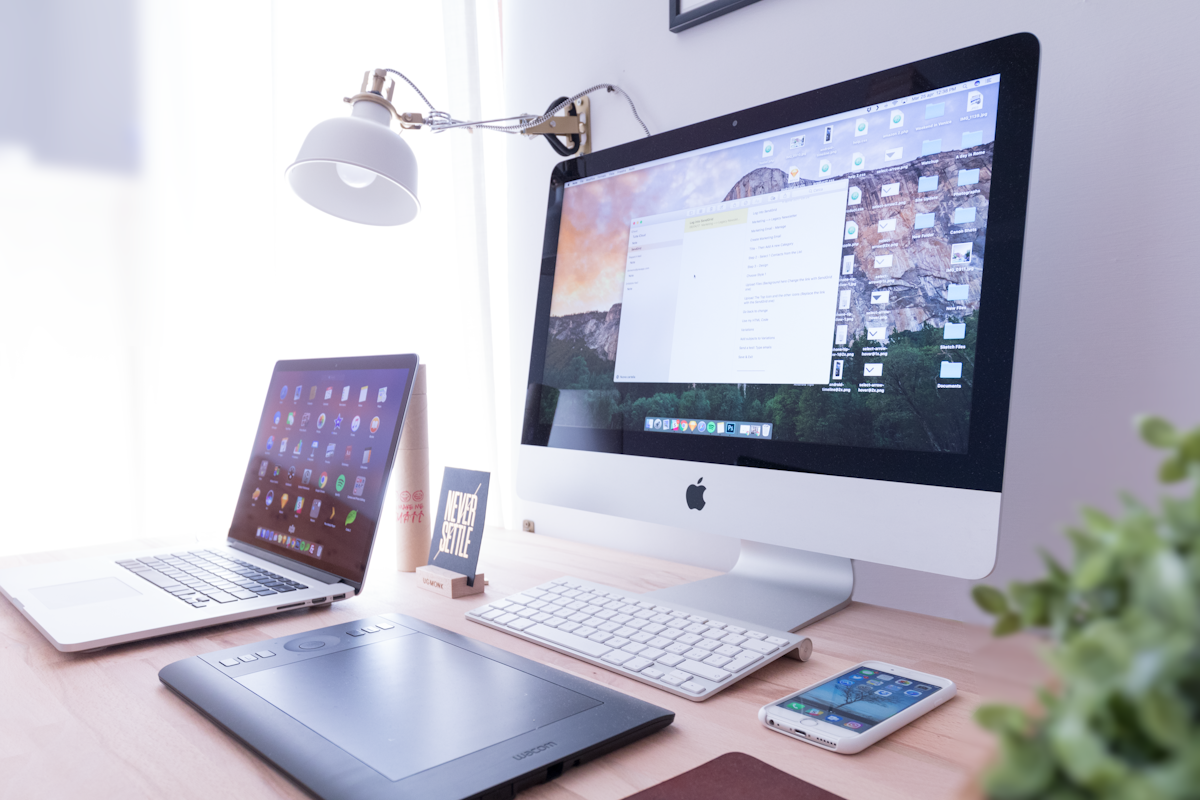
7. Architecture Students
Architecture students use demanding software such as AutoCAD, Revit, SketchUp, Rhino, Lumion, and 3D rendering applications. These programs require a powerful processor, dedicated graphics, and plenty of RAM.
Recommended Specifications
- Intel Core i7 or Core Ultra 7
- AMD Ryzen 7 or Ryzen 9
- 16GB RAM minimum (32GB recommended)
- 1TB SSD
- NVIDIA RTX graphics
- 15.6-inch or 16-inch Full HD or QHD display
Recommended Laptops
- Dell XPS 16
- Lenovo Legion Pro 5
- ASUS ROG Zephyrus G16
- HP Omen 16
- MSI Creator Series
8. Civil, Mechanical, Electrical, and Industrial Engineering
Engineering students frequently work with simulation software, computer-aided design (CAD), programming environments, and mathematical modeling tools. Performance is more important than appearance when selecting a laptop for engineering.

Recommended Specifications
- Intel Core i7/Core Ultra
- AMD Ryzen 7
- 16GB–32GB RAM
- 1TB SSD
- Dedicated NVIDIA RTX graphics
Recommended Laptops
- Lenovo Legion 5 Pro
- Dell Precision Series
- HP Victus
- ASUS TUF Gaming
- Acer Nitro V
9. Medicine Students
Medical students generally do not require high-end graphics performance. Instead, they benefit from lightweight laptops with excellent battery life for note-taking, online lectures, medical research, and video conferencing.
Recommended Specifications
- Intel Core i5 or Ryzen 5
- 8GB–16GB RAM
- 512GB SSD
- Long battery life
- Lightweight design
Recommended Laptops
- MacBook Air
- Dell Inspiron 14
- HP Pavilion 14
- Lenovo IdeaPad Slim 5
- ASUS Vivobook 14
10. Nursing Students
Nursing students mainly use laptops for assignments, research, online learning, presentations, and electronic healthcare resources. Portability and battery life are more important than gaming performance.
Recommended Specifications
- Intel Core i5
- 8GB RAM
- 256GB–512GB SSD
- Full HD display
- Reliable webcam
Recommended Laptops
- Acer Aspire 5
- Lenovo IdeaPad Slim
- Dell Inspiron 15
- HP Laptop 15

11. Pharmacy Students
Pharmacy students use research databases, virtual laboratories, online journals, spreadsheets, and medical reference software. A dependable mid-range laptop is usually sufficient.
Recommended Specifications
- Intel Core i5
- 8GB–16GB RAM
- 512GB SSD
- Excellent battery life
Recommended Laptops
- ASUS Vivobook
- Lenovo ThinkBook
- HP Pavilion
- Dell Inspiron
12. Accounting Students
Accounting students spend much of their time using Microsoft Excel, QuickBooks, Sage, spreadsheets, financial software, and cloud-based accounting systems. A reliable laptop with a comfortable keyboard is essential.
Recommended Specifications
- Intel Core i5
- 8GB RAM
- 512GB SSD
- Numeric keypad (preferred)
Recommended Laptops
- HP 15
- Dell Inspiron 15
- Lenovo IdeaPad 5
- Acer Aspire 5
13. Business Administration Students
Business students prepare reports, presentations, financial analyses, and participate in virtual meetings. Portability, battery life, and productivity features are the most important considerations.
Recommended Specifications
- Intel Core i5 or Ryzen 5
- 8GB–16GB RAM
- 512GB SSD
- High-quality webcam
- Wi-Fi 6 connectivity
Recommended Laptops
- Lenovo ThinkBook
- Dell Latitude
- HP ProBook
- ASUS Zenbook
- MacBook Air

Tips for Choosing a Laptop for These Programs
- Choose at least 16GB RAM for creative and engineering programs.
- Prioritize SSD storage over traditional hard drives.
- Invest in a laptop with good cooling if running demanding software.
- For medical and business students, prioritize portability and battery life.
- Purchase a laptop with a comfortable keyboard for long typing sessions.
- Always check your university's software requirements before buying.
- Consider extended warranty coverage for added protection.
Conclusion (Part 2)
Students in creative, engineering, healthcare, and business disciplines have different computing needs. Investing in a laptop that matches your coursework ensures smoother performance, greater productivity, and a more enjoyable learning experience throughout your academic journey.
Coming in Part 3: We'll cover the best laptops for Law, Journalism, Education, Agriculture, Economics, Psychology, Mathematics, Statistics, Social Sciences, and Humanities, along with recommendations for budget-conscious students and additional buying advice.