Best Laptops for University and College Students: The Ultimate Guide by Degree Program (Part 1)
Choosing the right laptop is one of the most important decisions every university or college student will make. A laptop is more than just a device for taking notes—it becomes a classroom, research assistant, design studio, coding workstation, communication tool, and entertainment center throughout your academic journey.
However, not every degree program requires the same type of computer. A Computer Science student needs a different laptop than an Architecture student. Likewise, a Graphic Design student requires different specifications from someone studying Accounting or Education.
This comprehensive guide helps students choose the best laptop based on their field of study. Instead of spending more money than necessary, you'll learn exactly what specifications you need for your program.

Why Your Degree Program Matters
Different academic programs use different software. While a Journalism student may only need Microsoft Word and a web browser, an Engineering student might use demanding applications like AutoCAD or MATLAB. A Graphic Design student works with Adobe Photoshop and Illustrator, while a Cybersecurity student often runs multiple virtual machines.
Buying the wrong laptop can result in slow performance, software crashes, poor battery life, or having to replace the computer before graduation.
Minimum Laptop Specifications for Most Students
| Component | Recommended |
|---|---|
| Processor | Intel Core i5 / AMD Ryzen 5 or newer |
| RAM | 8GB minimum (16GB preferred) |
| Storage | 512GB SSD |
| Display | 14" or 15.6" Full HD (1920×1080) |
| Battery | 8–12 hours |
| Operating System | Windows 11 or macOS |
1. Computer Science Students
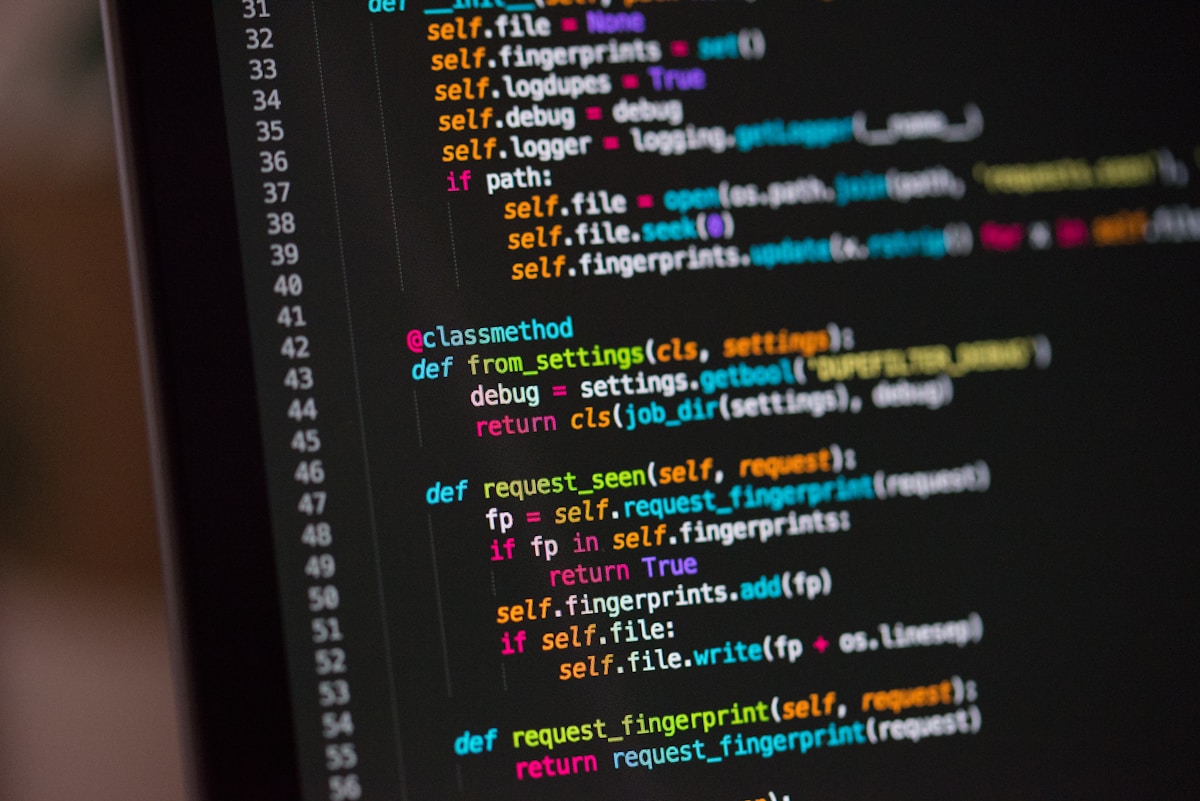
Computer Science students spend much of their time writing code, compiling applications, debugging programs, learning algorithms, building databases, and developing websites or mobile applications.
Programming environments such as Visual Studio Code, IntelliJ IDEA, Android Studio, Docker, Git, and database servers require a reasonably powerful laptop.
Recommended Specifications
- Intel Core i5/i7 or AMD Ryzen 5/7
- 16GB RAM
- 512GB SSD
- 14–15.6 inch Full HD display
- Backlit keyboard
- Wi-Fi 6 support
Recommended Laptops
- Lenovo IdeaPad Slim 5
- ASUS Vivobook 15
- Dell Inspiron 15
- HP Pavilion 15
- Apple MacBook Air (M3)
2. Information Technology (IT) Students

Information Technology students learn networking, cloud computing, databases, system administration, web technologies, and IT support. Their laptops should comfortably run virtualization software, networking tools, and database management systems.
Recommended Specifications
- Intel Core i5 or Ryzen 5
- 16GB RAM
- 512GB SSD
- Good battery life
- Fast Wi-Fi
Recommended Laptops
- Lenovo ThinkBook 14
- Dell Inspiron 14
- HP ProBook 440
- ASUS Vivobook
- Acer Aspire 5
3. Software Engineering Students
Software Engineering students build desktop, web, and mobile applications. They use integrated development environments (IDEs), virtual machines, version control systems, and testing tools.
A laptop with plenty of RAM and SSD storage helps projects compile faster and improves multitasking.
Recommended Specifications
- Intel Core i7 or Ryzen 7
- 16GB RAM (32GB if affordable)
- 512GB or 1TB SSD
- Full HD IPS display
Recommended Laptops
- Dell XPS 15
- Lenovo Yoga Pro
- MacBook Air M3
- HP Pavilion Plus
- ASUS Zenbook
4. Cybersecurity Students
Cybersecurity students often run Linux distributions, penetration testing tools, digital forensics software, and multiple virtual machines simultaneously. This workload requires more RAM and processing power than average office tasks.
Recommended Specifications
- Intel Core i7 / Ryzen 7
- 16GB RAM minimum
- 1TB SSD preferred
- Virtualization support
- Excellent cooling system
Recommended Laptops
- Lenovo Legion Slim
- Dell Latitude Series
- HP EliteBook
- ThinkPad E Series
- ASUS TUF A15
5. Data Science and Artificial Intelligence Students

Students studying Artificial Intelligence and Data Science analyze large datasets, build machine learning models, and write Python programs using tools like Jupyter Notebook, TensorFlow, PyTorch, NumPy, Pandas, and Scikit-learn.
Although cloud computing platforms can handle intensive workloads, having a capable laptop greatly improves the learning experience.
Recommended Specifications
- Intel Core i7 or Ryzen 7
- 16GB–32GB RAM
- 1TB SSD
- NVIDIA RTX graphics (optional but beneficial)
- High-quality display
Recommended Laptops
- Lenovo Legion 5
- ASUS ROG Zephyrus
- Dell XPS 15
- MacBook Pro (M4)
- HP Omen
General Buying Tips for Technology Students
- Buy a laptop with an SSD instead of an HDD.
- Choose at least 16GB RAM if your budget allows.
- Invest in a comfortable keyboard.
- Look for strong battery life for lectures.
- Ensure the laptop has enough USB ports.
- Purchase a quality laptop backpack.
- Always back up important coursework to cloud storage.
- Keep your operating system and software updated.
Conclusion (Part 1)
Technology-related degree programs place higher demands on laptops than many other courses. Investing in the right specifications early can save you time, improve productivity, and help you complete assignments more efficiently throughout your university journey.
In Part 2, we'll cover the best laptops for Graphic Design, Architecture, Engineering, Medicine, Nursing, Pharmacy, Accounting, and Business Administration, along with recommendations tailored to each discipline.