Programming Languages for Beginners: A Complete Guide to Learning How to Code
Programming is one of the most valuable skills in today's digital world. Nearly every website, mobile application, video game, banking system, and smart device relies on computer programs written using programming languages. As technology continues to evolve, the demand for skilled programmers keeps increasing across industries.
Whether you dream of becoming a software developer, web developer, mobile app developer, artificial intelligence engineer, cybersecurity specialist, or data scientist, learning a programming language is an important first step. Fortunately, there has never been a better time to begin learning to code.
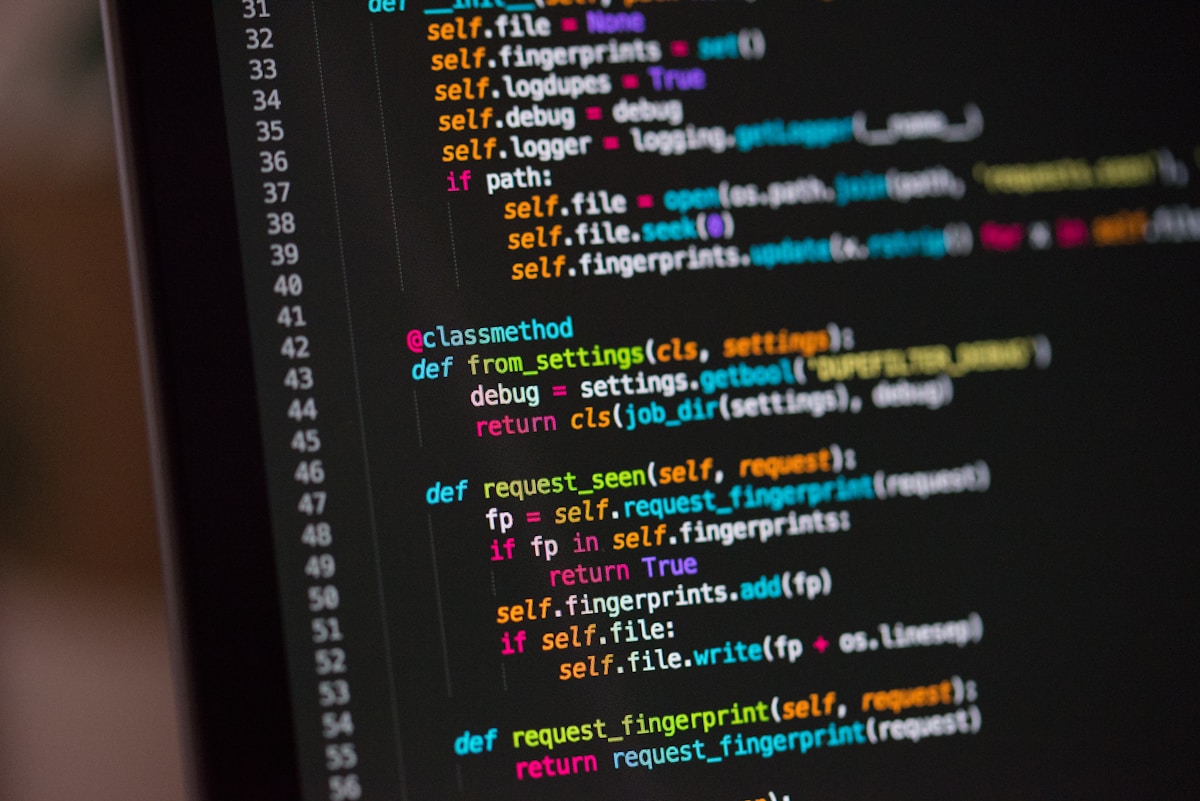
What Is a Programming Language?
A programming language is a formal language used to write instructions that a computer can understand and execute. These instructions, known as code, tell computers exactly what tasks to perform, from displaying a webpage to processing financial transactions or controlling robots.
Since computers understand only machine language (binary), programming languages provide a human-friendly way to create software. A compiler or interpreter converts the code into instructions the computer can execute.
Why Learn Programming?
Programming is more than just writing code. It teaches logical thinking, creativity, and problem-solving. It also opens doors to exciting careers in technology and entrepreneurship.
Benefits of Learning Programming
- Develop problem-solving skills.
- Create websites and mobile applications.
- Build software and games.
- Automate repetitive tasks.
- Improve logical thinking.
- Access high-paying technology careers.
- Work remotely from anywhere.
- Create your own technology startup.
Many of the world's highest-paying technology jobs require programming knowledge, including Artificial Intelligence, Software Engineering, Cloud Computing, Data Science, Robotics, and Cybersecurity.
How Programming Languages Work
When a programmer writes code, it must be translated into machine language before the computer can execute it. This translation is performed by either a compiler or an interpreter, depending on the programming language.
| Step | Description |
|---|---|
| Write Code | The programmer creates instructions using a programming language. |
| Compile or Interpret | The code is translated into machine-readable instructions. |
| Execute | The computer performs the requested operations. |
| Output | The program displays results or performs actions. |
Types of Programming Languages
Programming languages are designed for different purposes. Some are ideal for websites, while others are better suited for mobile applications, artificial intelligence, embedded systems, or scientific computing.
Main Categories
- High-Level Programming Languages
- Low-Level Programming Languages
- Object-Oriented Programming Languages
- Procedural Programming Languages
- Functional Programming Languages
- Scripting Languages
- Logic Programming Languages
The Most Popular Programming Languages
Choosing your first programming language depends on your goals. Some languages are easier for beginners, while others are specialized for certain industries.
| Language | Main Uses | Difficulty |
|---|---|---|
| Python | AI, Data Science, Automation, Web Development | Easy |
| JavaScript | Web Development | Easy |
| Java | Enterprise Software, Android Apps | Moderate |
| C++ | Games, Operating Systems | Moderate |
| C# | Desktop Apps, Game Development | Moderate |
| Go | Cloud Computing | Easy |
| Rust | System Programming | Advanced |
| Swift | iOS App Development | Moderate |
Python: The Best Language for Beginners
Python is widely recommended as the best first programming language because of its simple syntax and versatility. It is used in artificial intelligence, machine learning, web development, automation, cybersecurity, scientific research, and data analysis.
Many universities and technology companies use Python because beginners can quickly learn the basics while still having access to advanced capabilities as they grow.
Advantages of Python
- Easy to read and learn.
- Large global community.
- Excellent for AI and Machine Learning.
- Powerful libraries and frameworks.
- Cross-platform compatibility.
- High demand in the job market.
Programming Career Paths
Learning a programming language opens the door to many exciting careers in technology. As businesses continue to adopt digital solutions, skilled programmers are in high demand across industries such as finance, healthcare, education, manufacturing, entertainment, and cybersecurity.
Many programming careers offer competitive salaries, opportunities for remote work, and continuous learning. Whether you enjoy designing websites, building mobile applications, analyzing data, or developing artificial intelligence systems, there is a career path that matches your interests.
| Career | Main Responsibilities |
|---|---|
| Software Developer | Designs, builds, tests, and maintains software applications. |
| Web Developer | Creates websites and web applications. |
| Mobile App Developer | Builds applications for Android and iOS devices. |
| Data Scientist | Analyzes data to discover trends and support decision-making. |
| AI Engineer | Develops intelligent systems using machine learning and artificial intelligence. |
| Cybersecurity Analyst | Protects systems and networks from cyber threats. |
| Cloud Engineer | Designs and manages cloud infrastructure and services. |
| Game Developer | Creates computer, console, and mobile games. |
Tools Every Beginner Should Learn
Professional programmers use various tools to write, test, debug, and manage code. Learning these tools early will improve your productivity and prepare you for real-world software development.
Essential Programming Tools
- Visual Studio Code (VS Code)
- Git
- GitHub
- Command Line (Terminal)
- Web Browsers with Developer Tools
- Code Editors and IDEs
- Package Managers
- Debugging Tools
Learning Git and GitHub early allows you to save different versions of your code, collaborate with other developers, and build a portfolio that employers can review.
How to Practice Programming Effectively
Programming is a practical skill that improves through consistent practice. Reading books and watching tutorials are helpful, but the best way to become a programmer is by writing code every day.
Practice Ideas
- Create a personal portfolio website.
- Build a calculator application.
- Develop a simple to-do list app.
- Create a weather application using an API.
- Design a personal blog.
- Build a quiz application.
- Create a student management system.
- Develop a simple online store.
Best Free Resources for Learning Programming
There are many excellent free resources available for beginners. Combining online courses, documentation, coding challenges, and hands-on projects can accelerate your learning journey.
| Resource Type | Purpose |
|---|---|
| Interactive Coding Platforms | Practice coding exercises. |
| Official Documentation | Learn programming languages from trusted sources. |
| Video Tutorials | Watch step-by-step coding lessons. |
| Coding Communities | Ask questions and learn from experienced developers. |
| Open Source Projects | Gain real-world programming experience. |
Programming Trends to Watch
Technology continues to evolve rapidly, and programming languages evolve with it. Keeping up with modern trends helps developers remain competitive in the job market.
- Artificial Intelligence development.
- Machine Learning applications.
- Cloud-native software development.
- Cybersecurity automation.
- Internet of Things (IoT).
- Blockchain development.
- Low-code and no-code platforms.
- Quantum computing research.
Frequently Asked Questions (FAQ)
1. Which programming language is best for beginners?
Python is widely considered one of the best programming languages for beginners because it has a simple syntax, is easy to read, and is used in many fields, including artificial intelligence, web development, automation, and data science.
2. How long does it take to learn programming?
The basics of programming can often be learned in a few months with consistent practice. Becoming a professional developer usually requires continuous learning, hands-on projects, and experience over a longer period.
3. Do I need a computer science degree to become a programmer?
No. While a degree can be beneficial, many successful programmers are self-taught or have learned through online courses, coding boot camps, and personal projects. Employers often value practical skills and a strong portfolio.
4. Which programming language should I learn for Artificial Intelligence?
Python is the most popular language for Artificial Intelligence and Machine Learning because of its powerful libraries, active community, and ease of use.
5. Can I earn money by learning programming?
Yes. Programmers can work as full-time employees, freelancers, consultants, or entrepreneurs. They can build software, websites, mobile apps, and digital products or contribute to open-source projects that lead to career opportunities.
Conclusion
Programming is one of the most valuable skills anyone can learn in the digital age. Whether your goal is to build websites, create mobile apps, develop artificial intelligence systems, or strengthen cybersecurity, understanding programming provides a strong foundation for success.
The key to becoming a successful programmer is consistency. Start with one language, practice regularly, build real projects, and never stop learning. Every expert programmer began as a beginner, and every line of code you write brings you one step closer to achieving your goals.
At EduTechPedia, our mission is to make technology education simple, practical, and accessible. Continue exploring our tutorials and guides to build your skills, stay informed about emerging technologies, and prepare for exciting opportunities in the technology industry.
Related Articles on EduTechPedia
- Technology: Transforming the World One Innovation at a Time
- The Internet of Things (IoT): How Smart Devices Are Transforming Everyday Life
- Cybersecurity: Protecting Yourself in the Digital World
- Cloud Computing Explained for Beginners
- Digital Skills Everyone Should Learn in 2026
- Artificial Intelligence: A Complete Beginner's Guide