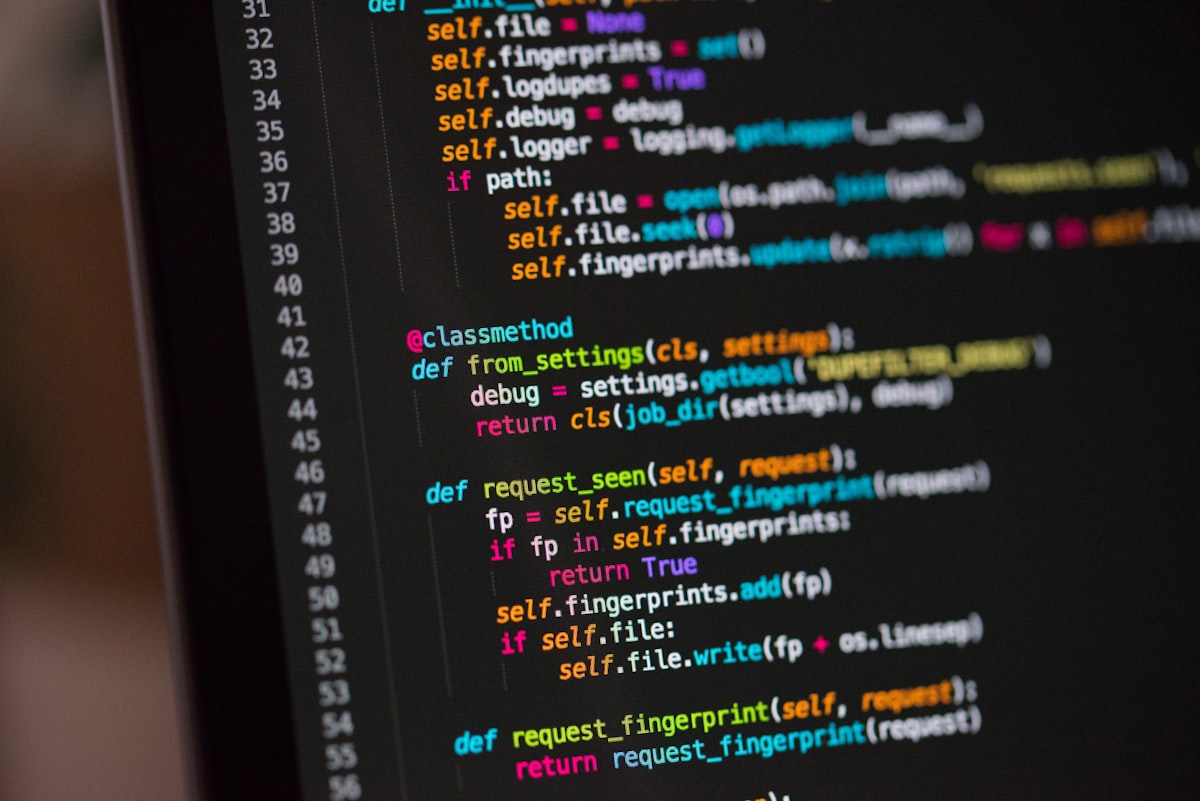
How to Become a Software Developer: A Step-by-Step Guide for Beginners
Software development is one of the fastest-growing careers in the world today. Every website, mobile application, computer program, online banking system, video game, and social media platform is built by software developers. As technology continues to transform businesses and everyday life, the demand for skilled developers keeps increasing.
The exciting thing about software development is that anyone can learn it. Whether you are a student, graduate, entrepreneur, or someone looking for a career change, becoming a software developer is possible with dedication, consistent practice, and the right learning path.
This guide explains everything beginners need to know—from understanding what software development is to choosing programming languages, building projects, creating a portfolio, and preparing for your first job.
Table of Contents
- What is Software Development?
- Why Choose Software Development?
- Step 1: Understand the Basics
- Step 2: Choose a Career Path
- Step 3: Learn Programming Languages
- Step 4: Learn Essential Development Tools
- Tips for Success
What is Software Development?
Software development is the process of designing, creating, testing, and maintaining computer programs and digital applications. Software developers write code that tells computers how to perform specific tasks. Their work powers websites, mobile apps, desktop software, cloud platforms, artificial intelligence systems, and much more.
Developers solve problems by building software that makes work easier, improves communication, automates business processes, and provides entertainment to millions of people around the world.
Why Choose Software Development?
Software development has become one of the most rewarding careers because technology is used in almost every industry. Businesses, hospitals, schools, banks, governments, and startups all rely on software to operate efficiently.
Here are some of the major benefits of becoming a software developer:
- Excellent career opportunities
- Competitive salaries
- Remote work opportunities
- Freelancing possibilities
- Continuous learning
- Job security
- Creative problem-solving
- Ability to build your own applications
- Opportunities to work internationally
Step 1: Learn the Basics of Programming
Programming is the foundation of software development. Before building applications, you need to understand how computers execute instructions. Start by learning basic programming concepts such as variables, data types, loops, functions, conditions, arrays, objects, and error handling.
Don't rush through these topics. Understanding the fundamentals will make learning advanced concepts much easier later.
Step 2: Choose a Software Development Career Path
Software development has many specializations. Choosing one helps you focus your learning and build relevant skills.
Frontend Development
Frontend developers build the visual part of websites that users interact with. They use HTML, CSS, JavaScript, and modern frameworks such as React and Vue.
Backend Development
Backend developers create the systems that run behind websites and applications. They manage databases, servers, user authentication, and APIs using languages like Python, Java, PHP, Node.js, and C#.
Full-Stack Development
Full-stack developers work on both the frontend and backend of applications. They are highly sought after because they understand the complete software development process.
Mobile App Development
Mobile developers create Android and iOS applications using Kotlin, Java, Swift, Flutter, or React Native.
Artificial Intelligence and Machine Learning
AI developers build intelligent systems capable of learning from data. Python is currently the most popular language for AI development.
Step 3: Learn Programming Languages
There are many programming languages available, but beginners should focus on one language before learning others.
- Python – Best for beginners, AI, automation, and data science.
- JavaScript – Essential for modern web development.
- Java – Popular in enterprise software and Android development.
- C# – Great for desktop software and game development.
- PHP – Commonly used for dynamic websites.
- Kotlin – Preferred language for Android applications.
- Swift – Used for developing iPhone and iPad applications.
Avoid trying to learn several programming languages at once. Master one language first before moving on to another.
Step 4: Learn Essential Development Tools
Professional software developers rely on several tools to write, test, and manage code efficiently.
Some important tools include Visual Studio Code, Git, GitHub, browser developer tools, package managers, command-line interfaces, and debugging software.
Learning these tools early will improve your productivity and prepare you for professional software development environments.
Step 5: Build Real-World Projects
Learning programming theory is important, but practical experience is what transforms a beginner into a skilled software developer. Building projects allows you to apply what you have learned while improving your problem-solving skills. Employers and clients are more interested in what you can build than in the number of courses you have completed.
Start with simple projects and gradually increase the level of difficulty. Every completed project strengthens your understanding of programming concepts and boosts your confidence.
Beginner Project Ideas
- Personal Portfolio Website
- Calculator Application
- To-Do List App
- Weather Application
- Simple Blog Website
- Student Management System
- Quiz Application
- Expense Tracker
- Digital Clock
- Currency Converter
After completing each project, improve it by adding new features, fixing bugs, and making the user interface more attractive. Continuous improvement is one of the habits of successful developers.
Step 6: Learn Version Control with Git and GitHub
Git is a version control system that helps developers track changes in their code. GitHub is an online platform where programmers store, manage, and share their projects. These tools are widely used by software companies and development teams around the world.
Learning Git allows you to save different versions of your work, collaborate with other developers, and restore previous versions if something goes wrong. GitHub also serves as an online portfolio where employers can view your coding projects.
Step 7: Build an Impressive Portfolio
Your portfolio is your professional showcase. It demonstrates your technical skills, creativity, and ability to solve real-world problems. A well-designed portfolio often speaks louder than a résumé.
A good software developer portfolio should include:
- A short personal introduction
- Your technical skills
- Completed programming projects
- Links to GitHub repositories
- Contact information
- Your résumé or CV
- Professional social media profiles
Keep your portfolio updated as your skills improve. Adding new projects regularly shows that you are actively learning and growing.
Step 8: Practice Coding Regularly
Programming is a practical skill that improves through consistent practice. Writing code every day helps you remember concepts, solve problems more efficiently, and become comfortable with programming languages.
Even spending 30 to 60 minutes coding daily can lead to significant progress over time. Consistency is far more important than studying for many hours once in a while.
Challenge yourself by solving programming exercises, participating in coding competitions, and recreating applications you use every day.
Step 9: Learn Problem-Solving and Algorithms
Successful software developers do more than write code—they solve problems efficiently. Understanding algorithms and data structures enables you to create software that performs well even when handling large amounts of information.
Important topics to study include:
- Arrays and Lists
- Stacks and Queues
- Linked Lists
- Trees
- Hash Tables
- Sorting Algorithms
- Searching Algorithms
- Recursion
- Time and Space Complexity
Although these topics may seem challenging at first, they are essential for technical interviews and professional software development.
Common Mistakes Beginners Should Avoid
Every beginner makes mistakes while learning to code. The key is to learn from them and continue improving. Here are some common mistakes to avoid:
- Trying to learn too many programming languages at once.
- Watching tutorials without building projects.
- Giving up after encountering coding errors.
- Ignoring the basics of programming.
- Not practicing consistently.
- Copying code without understanding how it works.
- Failing to ask questions when stuck.
- Neglecting to use Git and GitHub.
Step 10: Prepare for Technical Interviews
Once you have gained confidence in your programming skills and built several projects, the next step is preparing for technical interviews. Many software companies assess candidates through coding challenges, technical questions, and practical tasks to evaluate their problem-solving abilities.
Review programming fundamentals, practice explaining your code, and be ready to discuss the projects in your portfolio. Employers often appreciate candidates who can clearly explain how they approached a problem and why they chose a particular solution.
Step 11: Apply for Internships and Entry-Level Jobs
You do not need years of experience to begin your career. Many companies offer internships, graduate trainee programs, and junior developer positions designed for beginners. These opportunities allow you to gain real-world experience while working alongside experienced developers.
Tailor your CV and cover letter to each job application, highlighting your programming skills, completed projects, certifications, and willingness to learn. Even if you do not meet every requirement listed in a job advertisement, applying can still be worthwhile.
Can You Become a Software Developer Without a Degree?
Yes. While a Computer Science or Information Technology degree can be beneficial, it is not the only path into software development. Many successful developers are self-taught or have learned through coding bootcamps, online courses, and consistent practice.
Employers increasingly focus on practical skills, portfolios, and problem-solving abilities rather than formal qualifications alone. If you can demonstrate that you can build quality software, you can compete for many opportunities in the industry.
Freelancing as a Software Developer
Software development is one of the best careers for freelancing. Businesses, startups, and individuals frequently hire freelance developers to create websites, mobile applications, automation tools, and custom software solutions.
Freelancing offers several advantages, including flexible working hours, the ability to work with international clients, and the opportunity to earn additional income. As your experience grows, you can take on larger and more complex projects.
Essential Soft Skills for Software Developers
Technical knowledge is important, but soft skills are equally valuable. Employers look for developers who can communicate effectively, collaborate with teams, and manage their time efficiently.
- Communication skills
- Problem-solving ability
- Critical thinking
- Teamwork
- Time management
- Adaptability
- Creativity
- Attention to detail
- Willingness to learn
- Professionalism
Career Opportunities in Software Development
Learning software development opens the door to many exciting career paths. As you gain experience, you may choose to specialize in a particular field that matches your interests.
- Frontend Developer
- Backend Developer
- Full-Stack Developer
- Mobile App Developer
- Game Developer
- Cloud Engineer
- Artificial Intelligence Engineer
- Machine Learning Engineer
- Cybersecurity Developer
- DevOps Engineer
- Software Architect
- Data Engineer
Tips for Long-Term Success
- Write code consistently.
- Keep learning new technologies.
- Read programming books and documentation.
- Contribute to open-source projects.
- Attend developer communities and meetups.
- Build projects that solve real-world problems.
- Learn from experienced developers.
- Accept feedback and continue improving.
- Stay curious and never stop experimenting.
Frequently Asked Questions (FAQs)
How long does it take to become a software developer?
The time varies depending on your learning pace and dedication. With consistent study and regular practice, many beginners acquire job-ready skills within 6 to 18 months.
Which programming language should beginners learn first?
Python is widely recommended because of its simple syntax and versatility. If your goal is web development, learning HTML, CSS, and JavaScript is also an excellent starting point.
Do I need a powerful computer?
No. Most beginners can start with a basic laptop capable of running a modern code editor and web browser. As you move into advanced fields such as game development or AI, you may choose to upgrade your hardware.
Is software development difficult?
Learning to code can be challenging at first, but with patience, practice, and persistence, it becomes easier over time. Every experienced developer was once a beginner.
Conclusion
Software development is one of the most valuable skills in today's digital world. It offers excellent career opportunities, competitive salaries, flexibility, and the chance to create solutions that improve people's lives. Whether you dream of building websites, mobile applications, artificial intelligence systems, or your own technology startup, the journey begins with learning the fundamentals and practicing consistently.
Remember that success does not happen overnight. Focus on mastering one programming language, build meaningful projects, create a strong portfolio, and never stop learning. Every line of code you write brings you one step closer to becoming a professional software developer. Stay curious, keep coding, and embrace every challenge as an opportunity to grow.